
Pass Labs XP-22 Dual Chassis Analog Preamplifier
Free Shipping (Contiguous U.S. Only)
Pickup currently unavailable at SkyFi 479
Pass Labs XP-22 Dual Chassis Analog Preamplifier
SkyFi 479
479 South Broad Street
Glen Rock NJ 07452
United States
General:
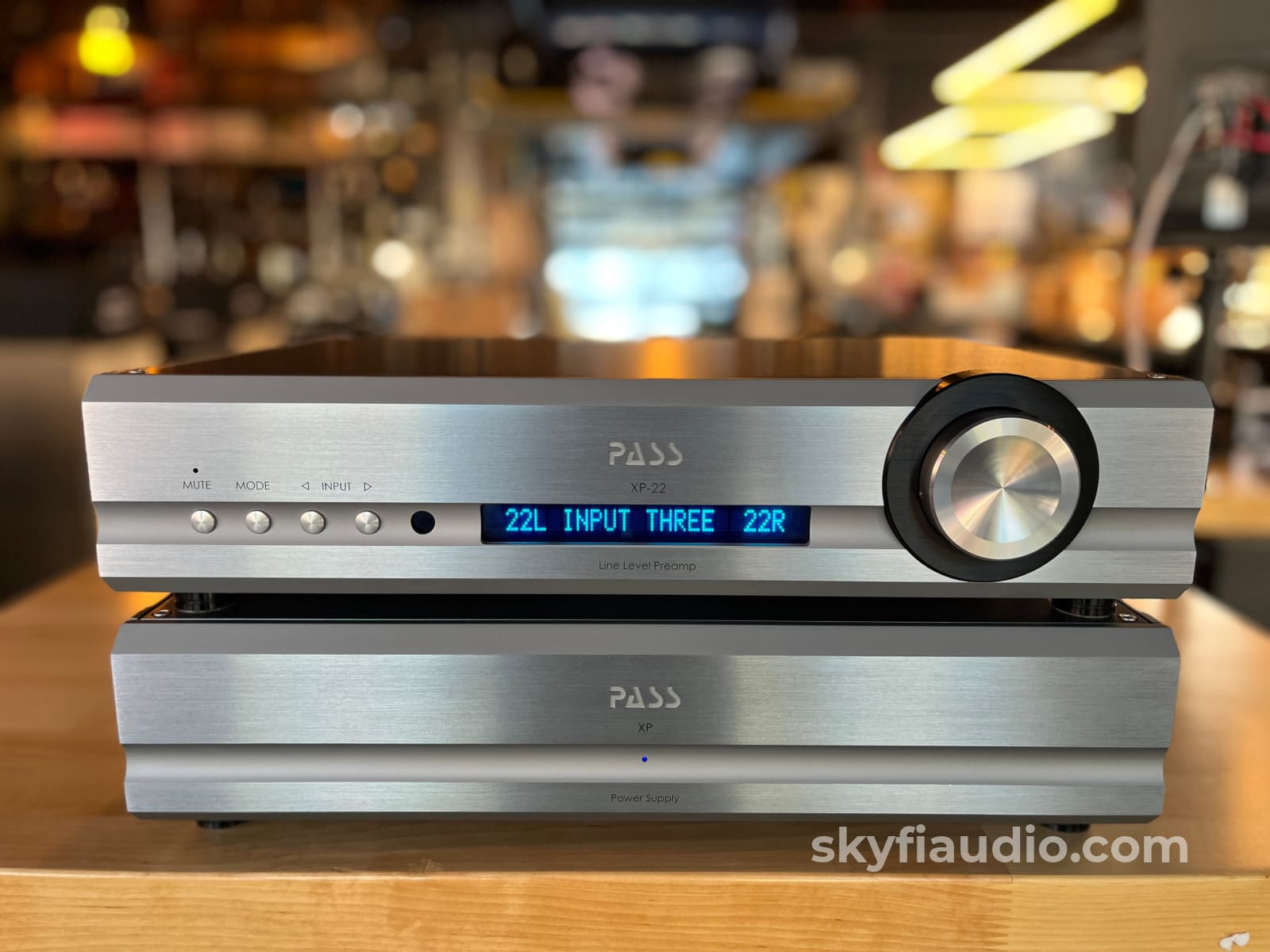
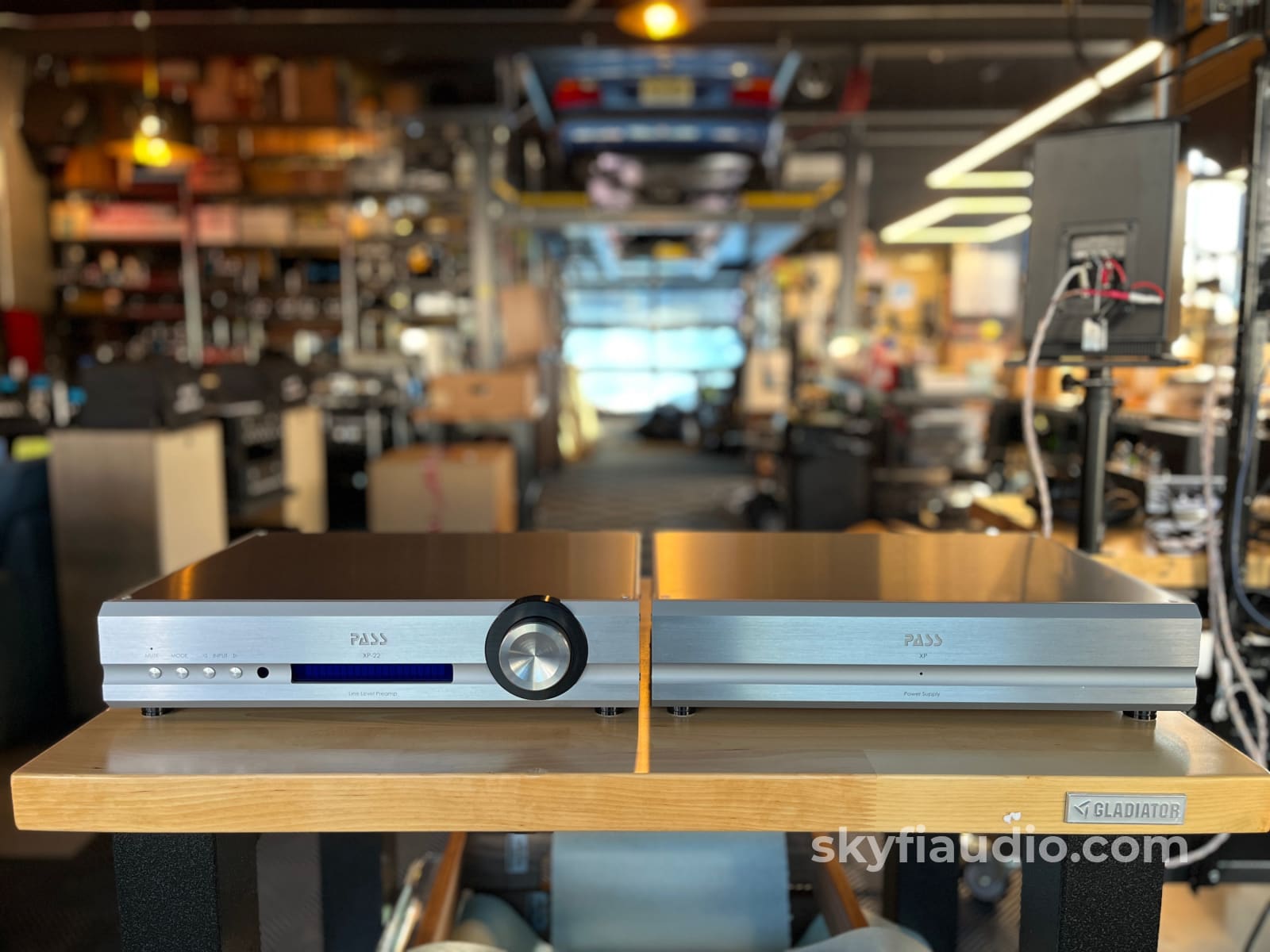
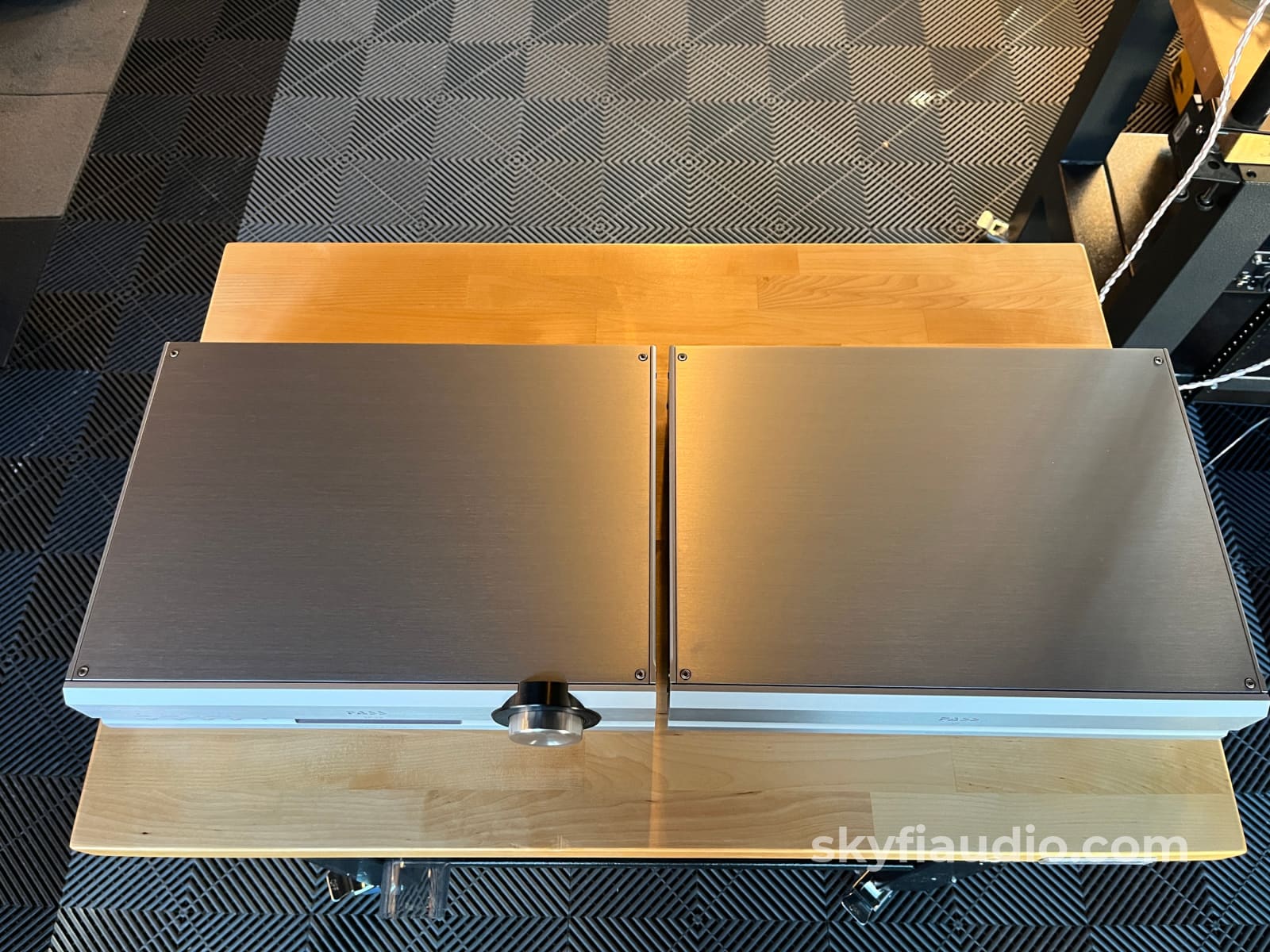
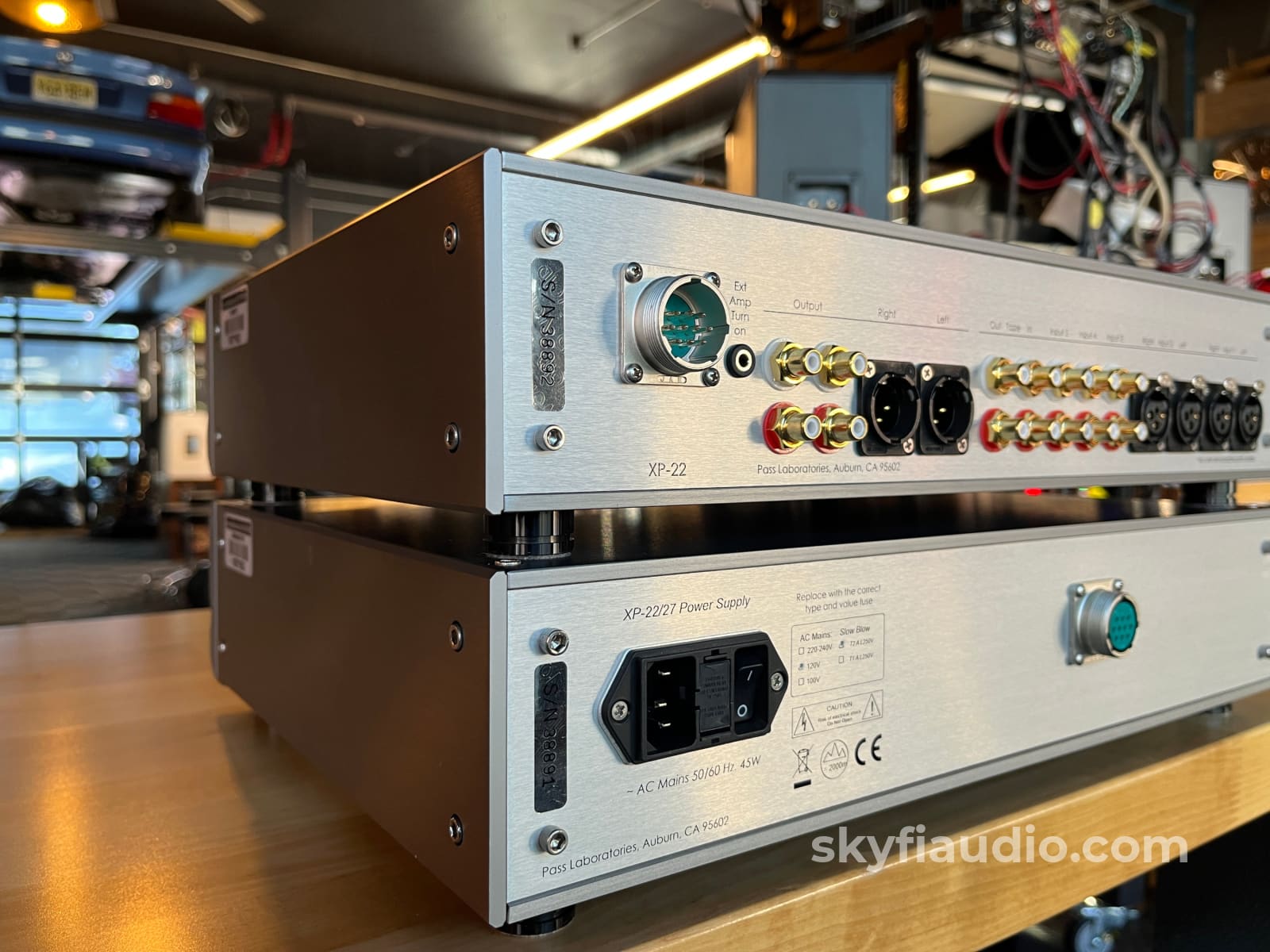
The XP-22 is a beautiful two-piece preamplifier from Pass Labs. Two-piece designs like this are among our favorites, as they typically offer an exceptionally low noise floor while isolating the audio circuitry from power supply interference.
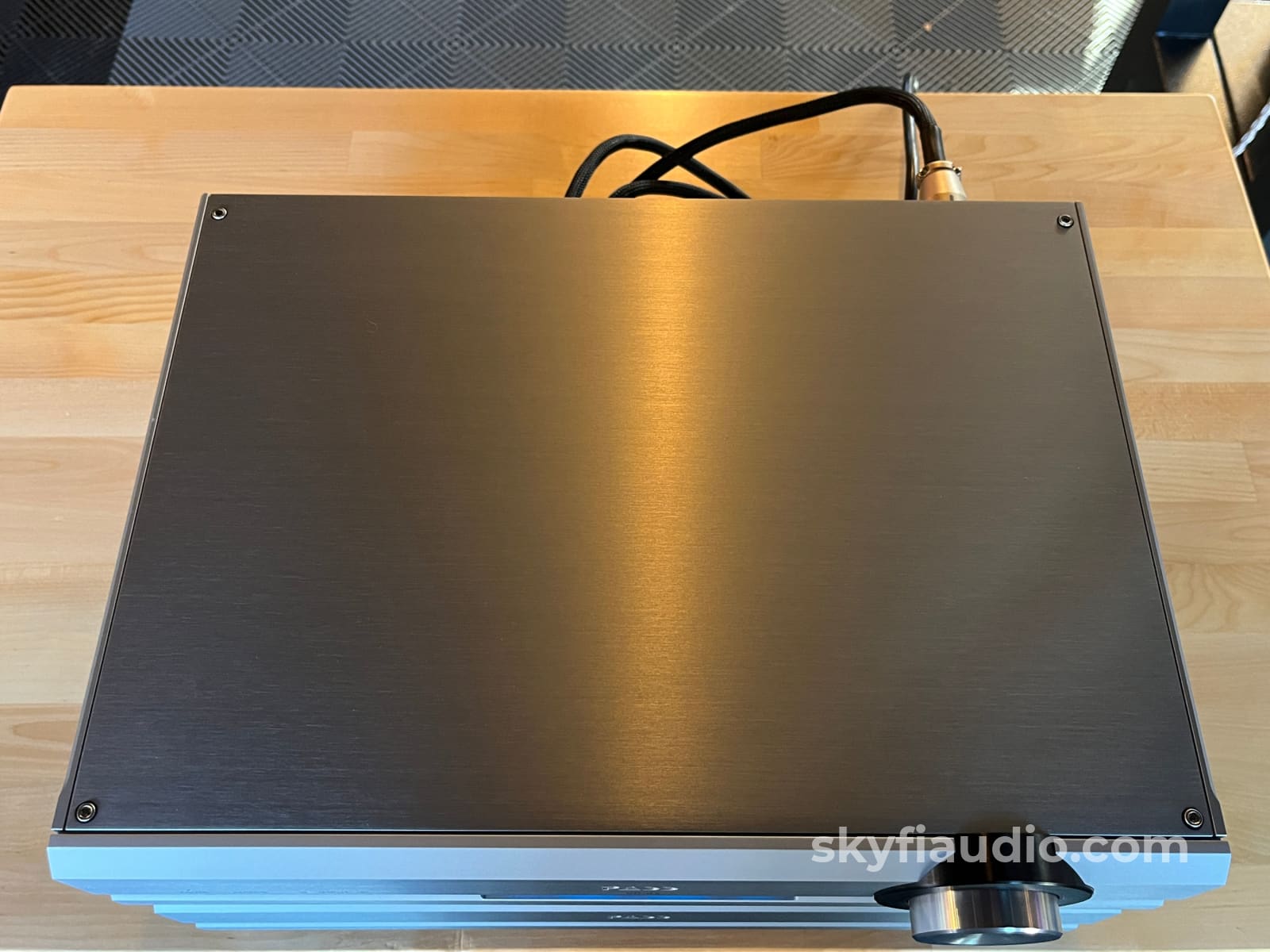
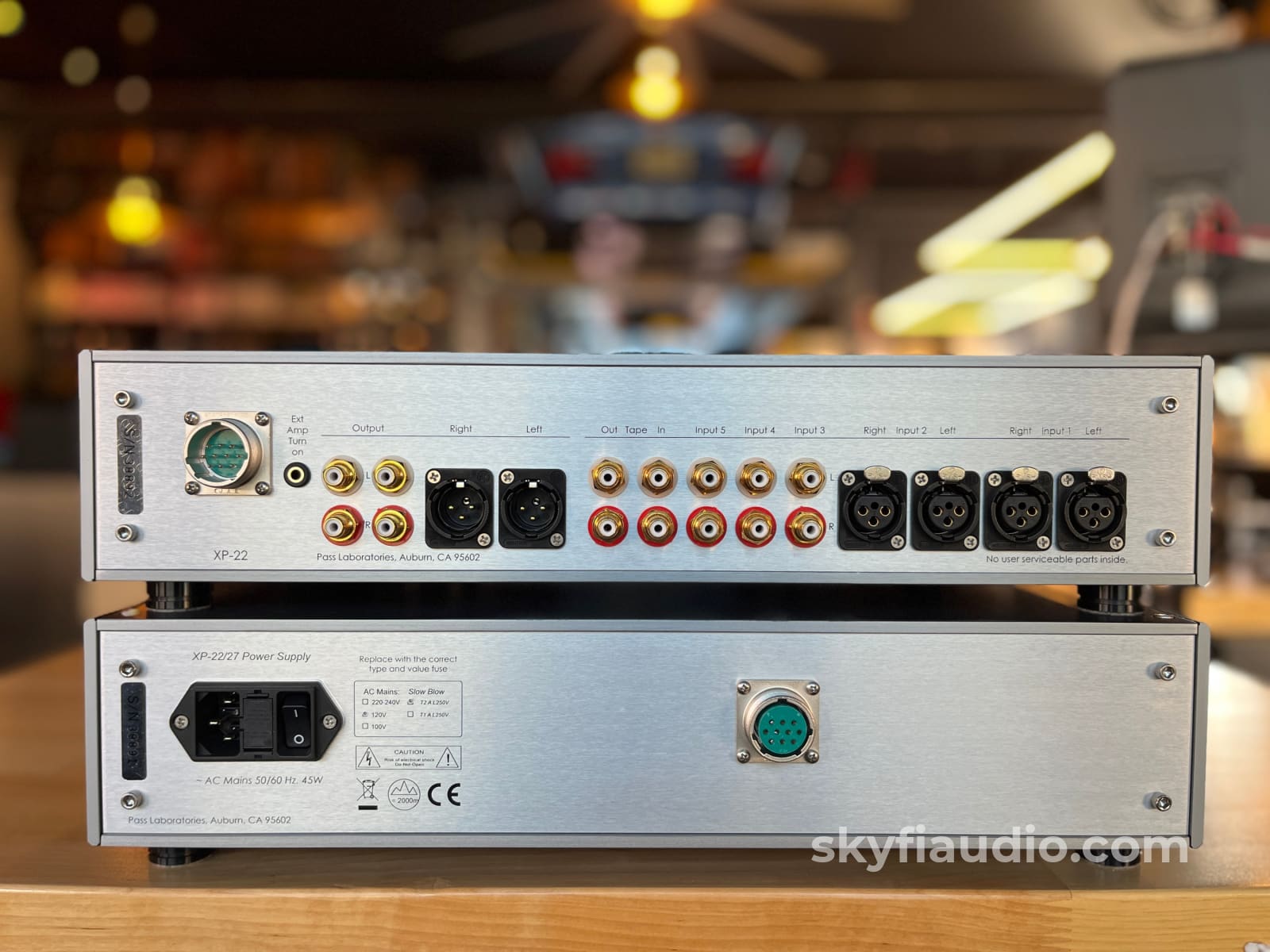
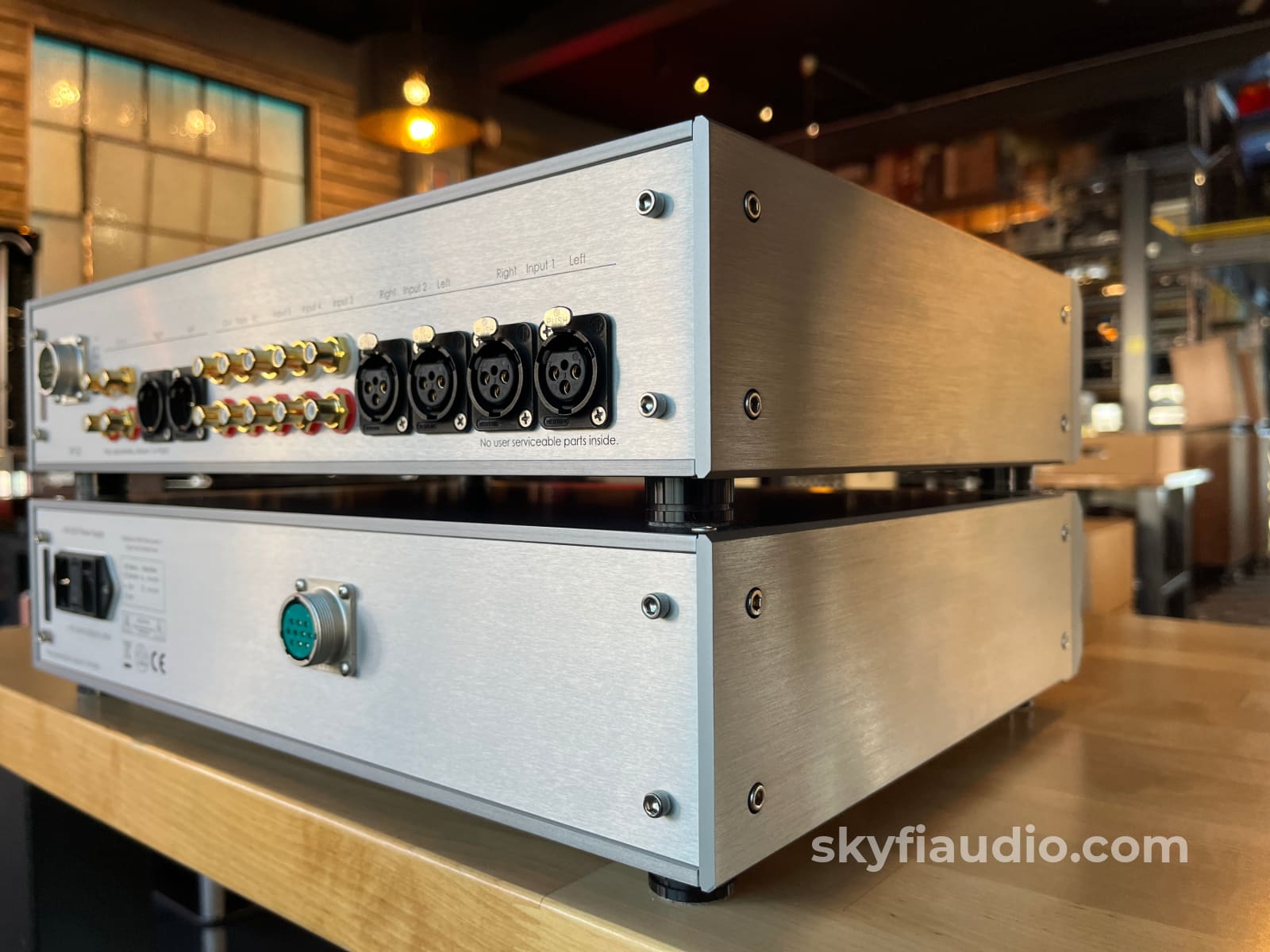
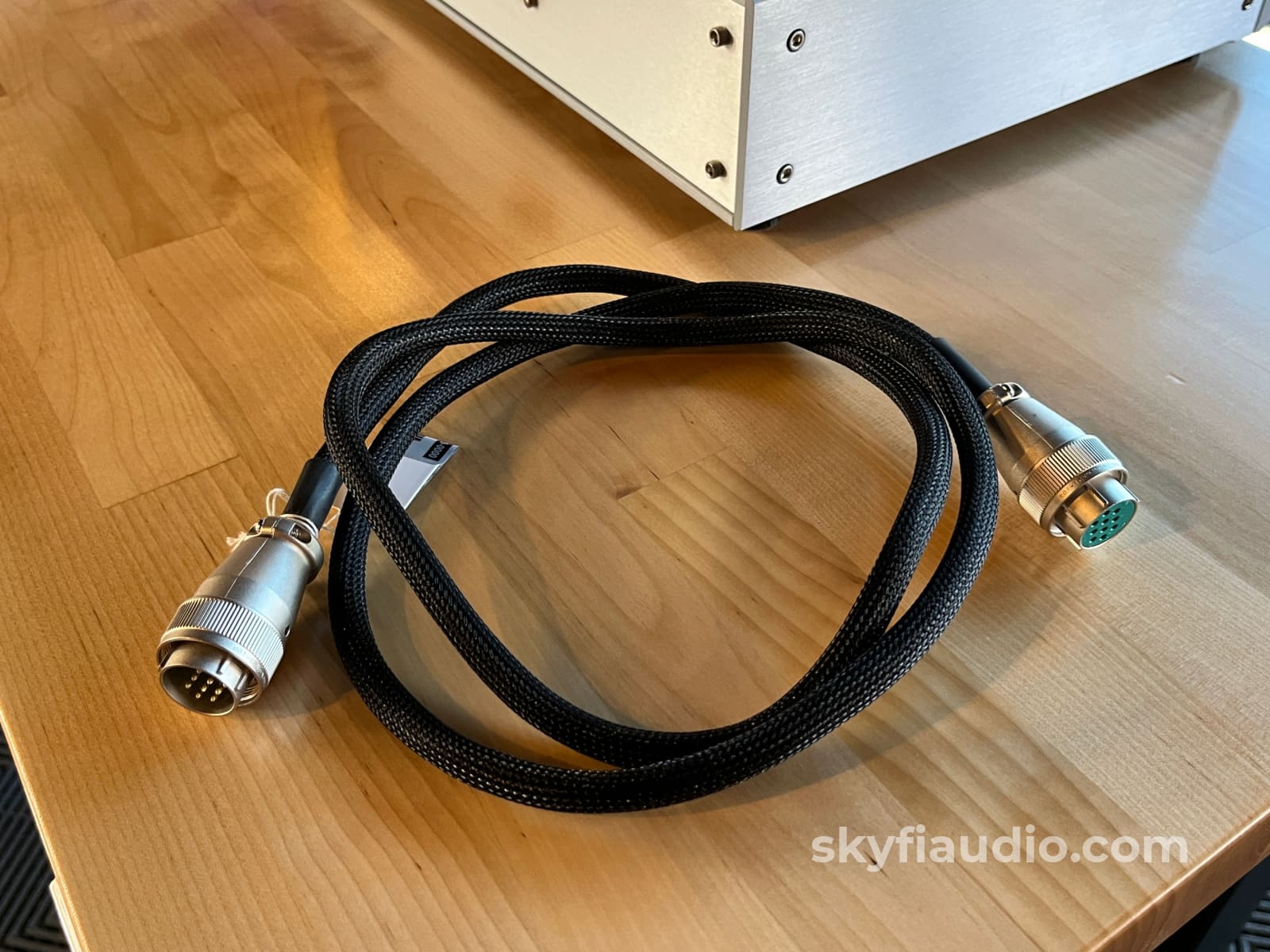
The two chassis are connected via an aviation-grade umbilical connector—seriously robust engineering.
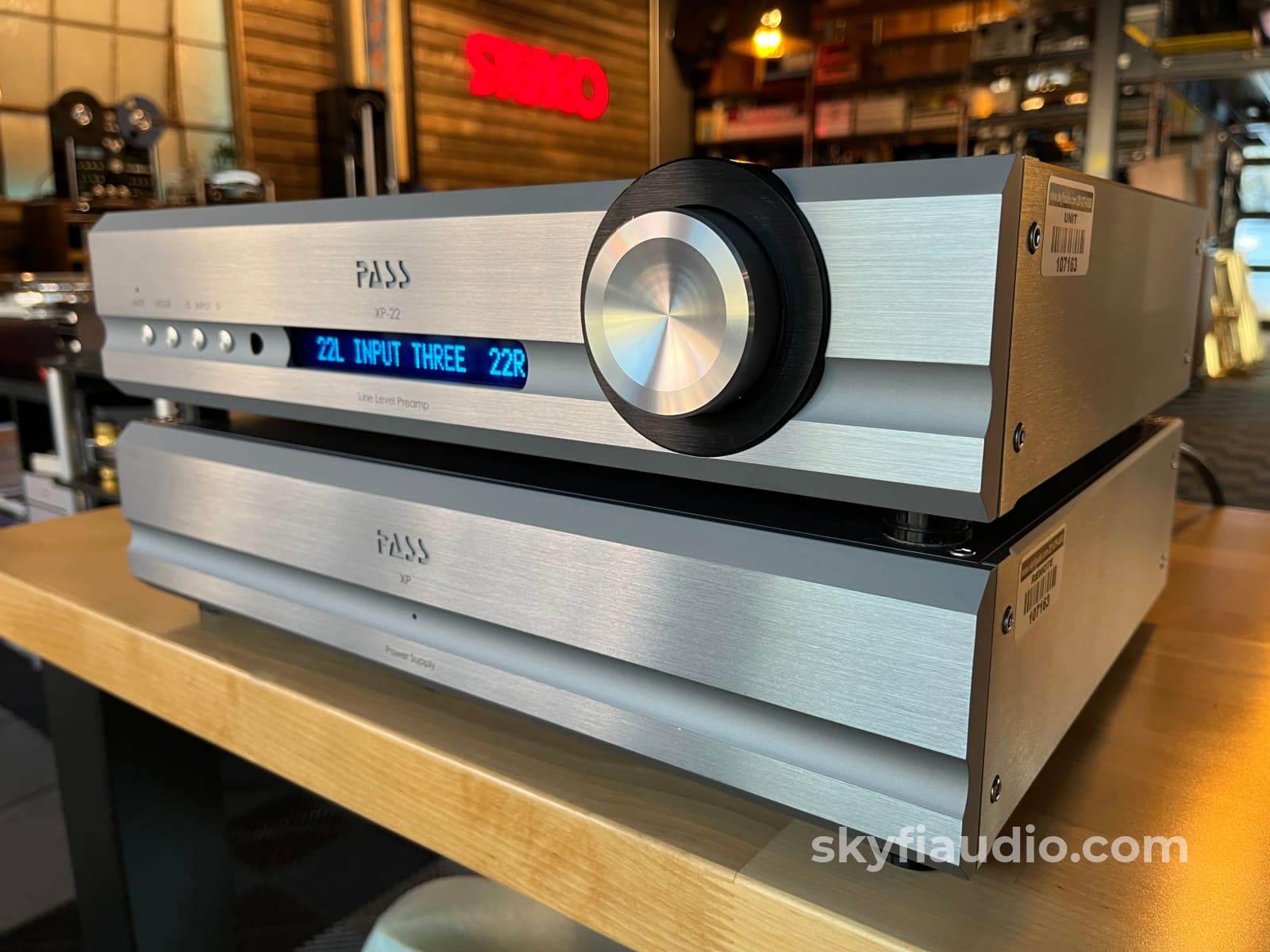
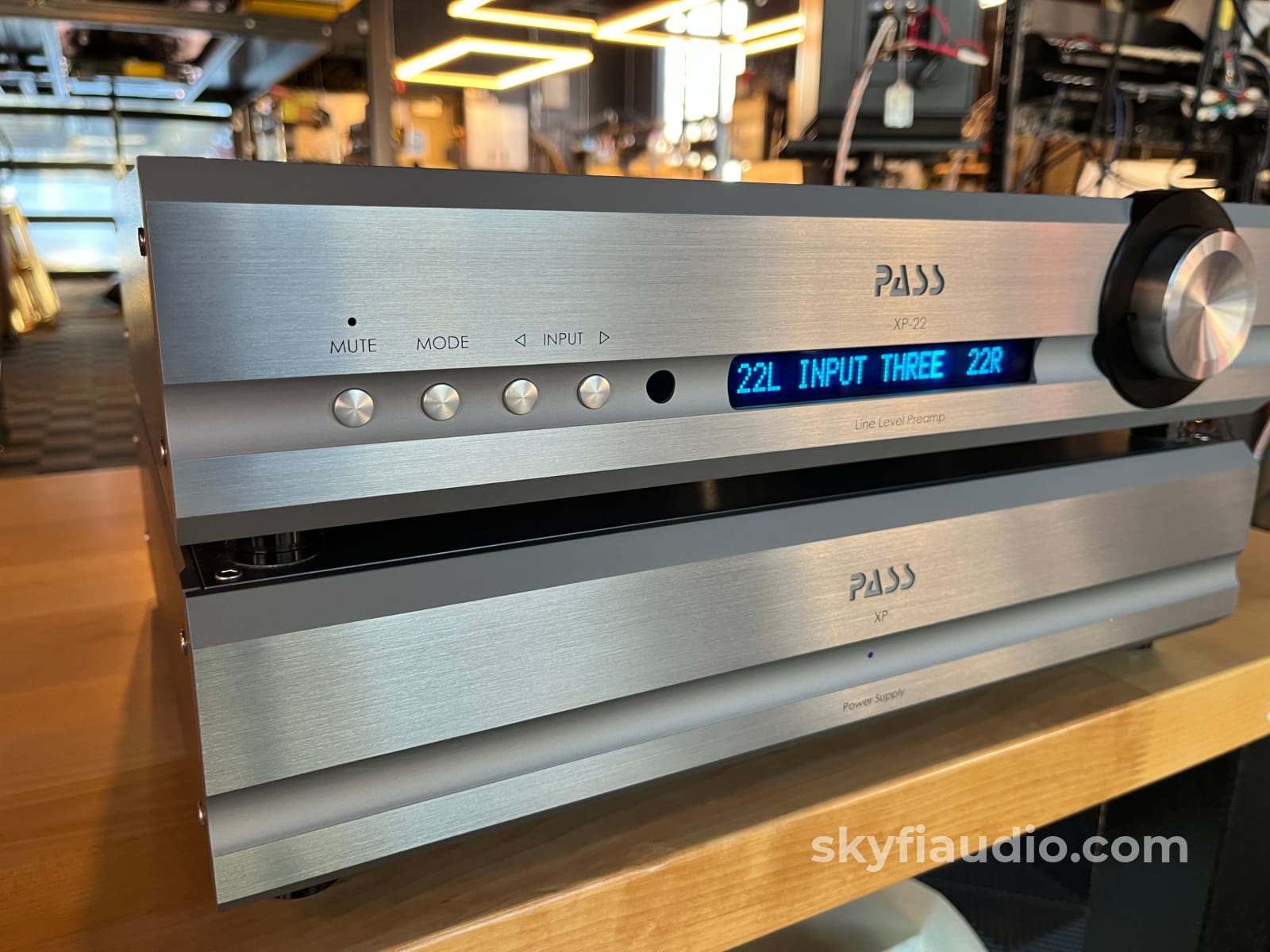
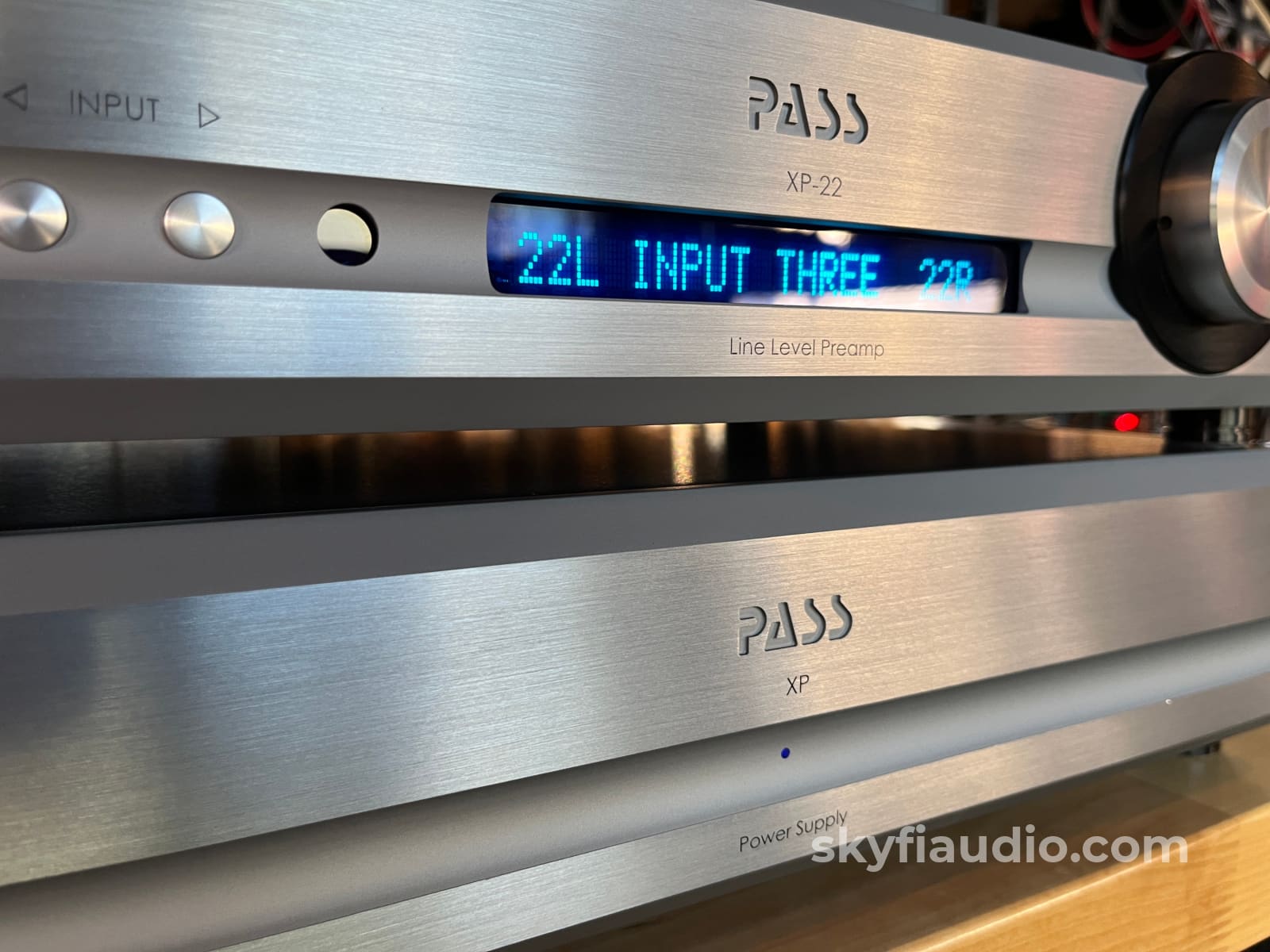
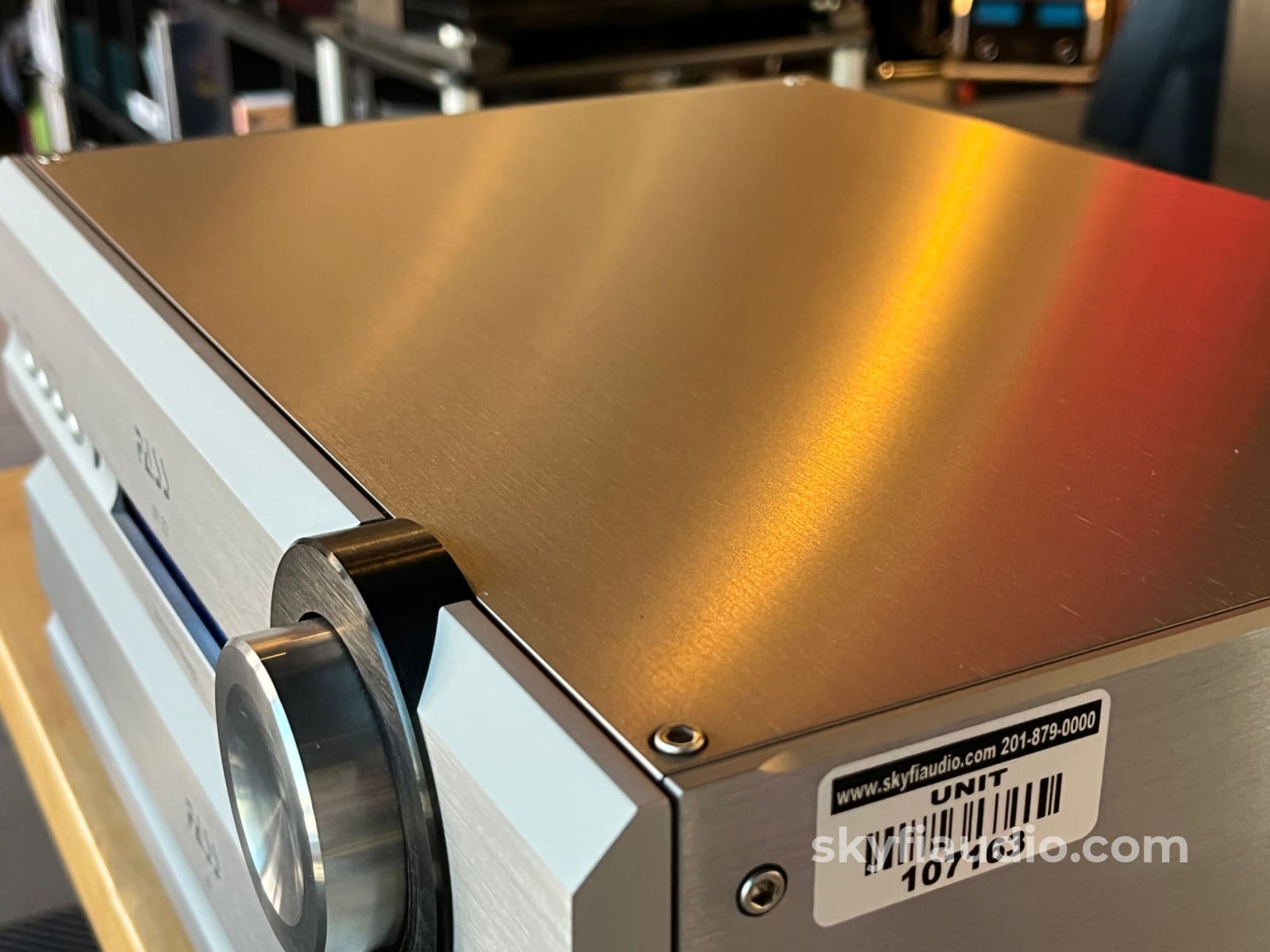
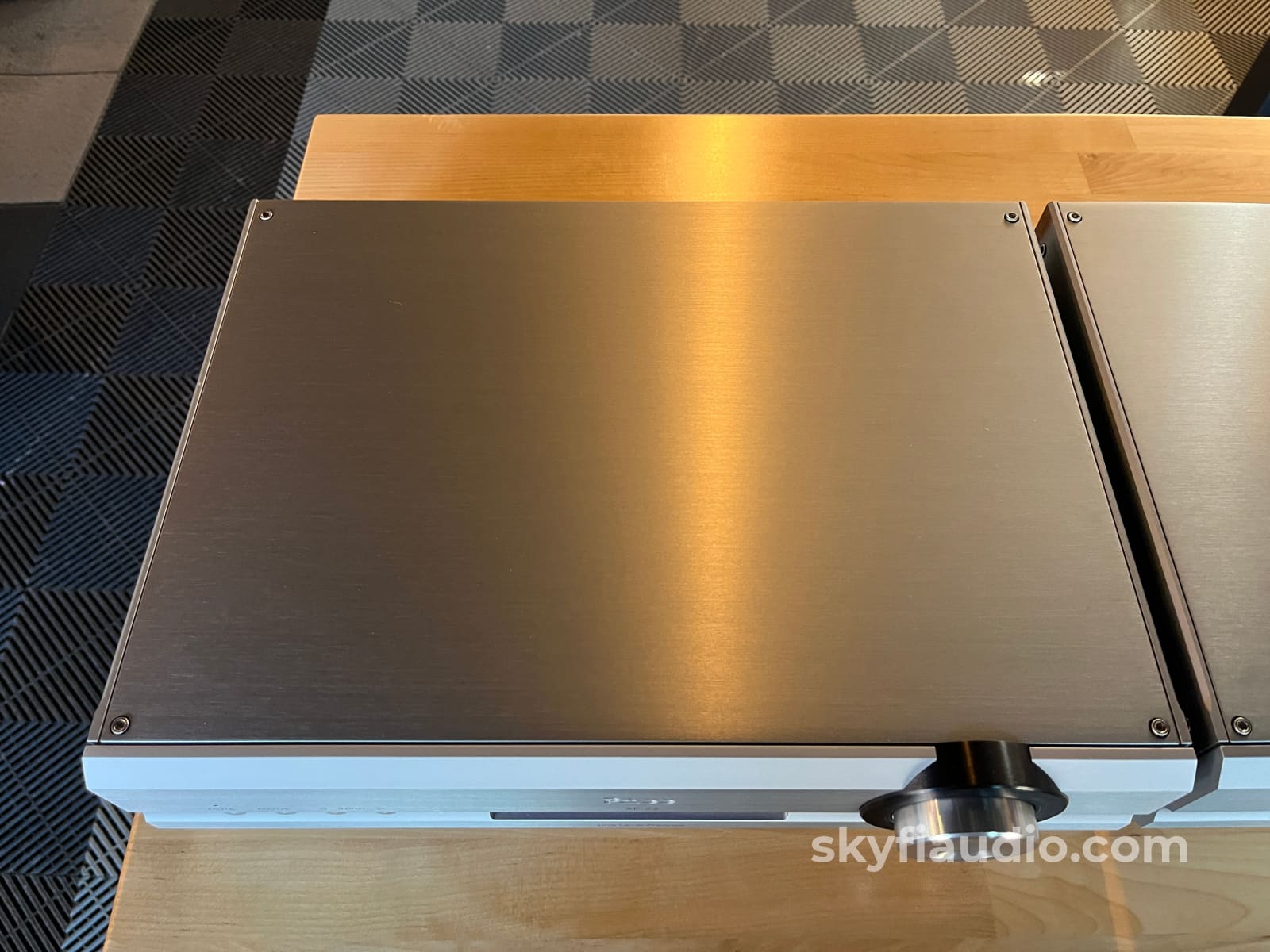
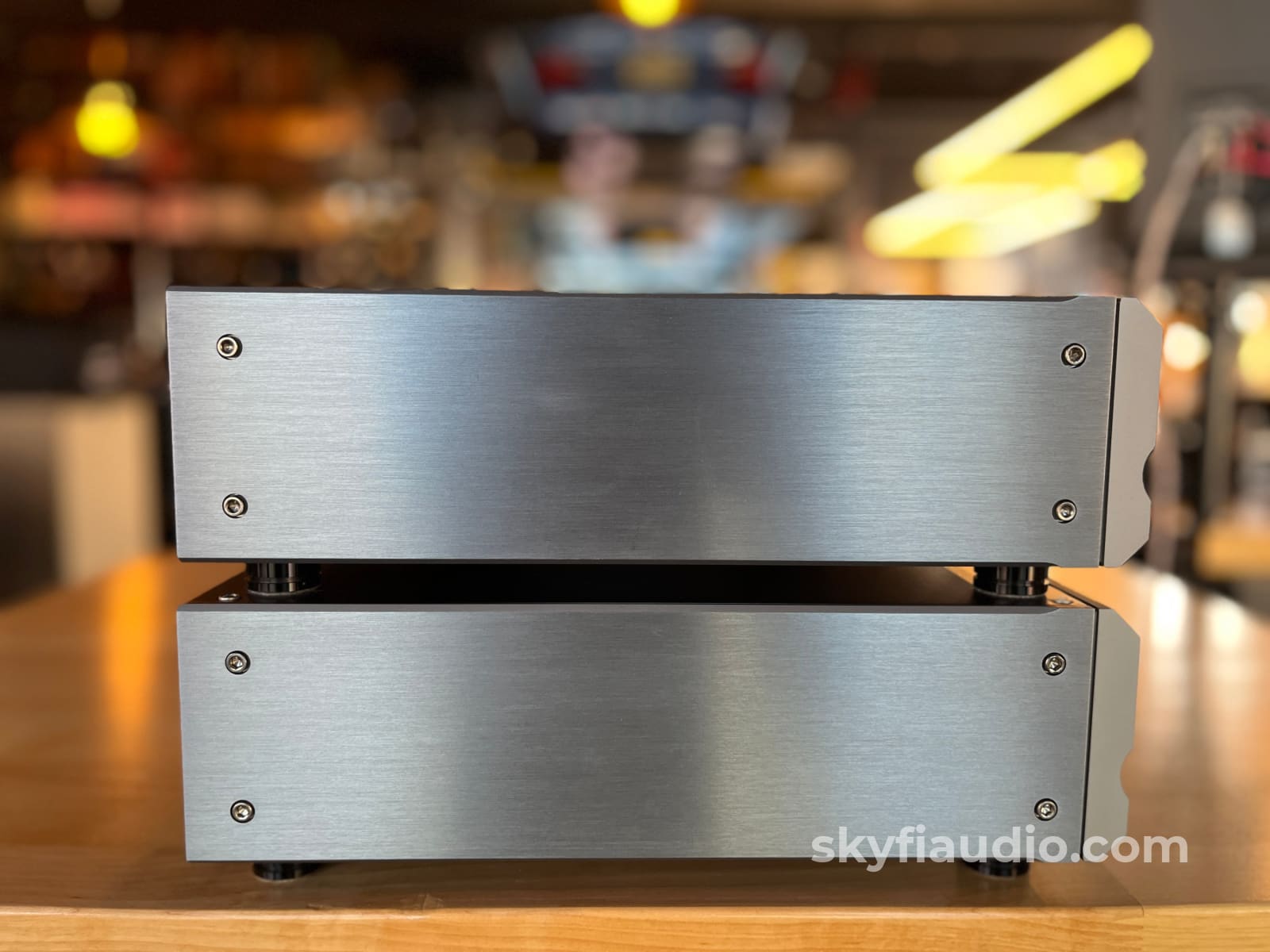
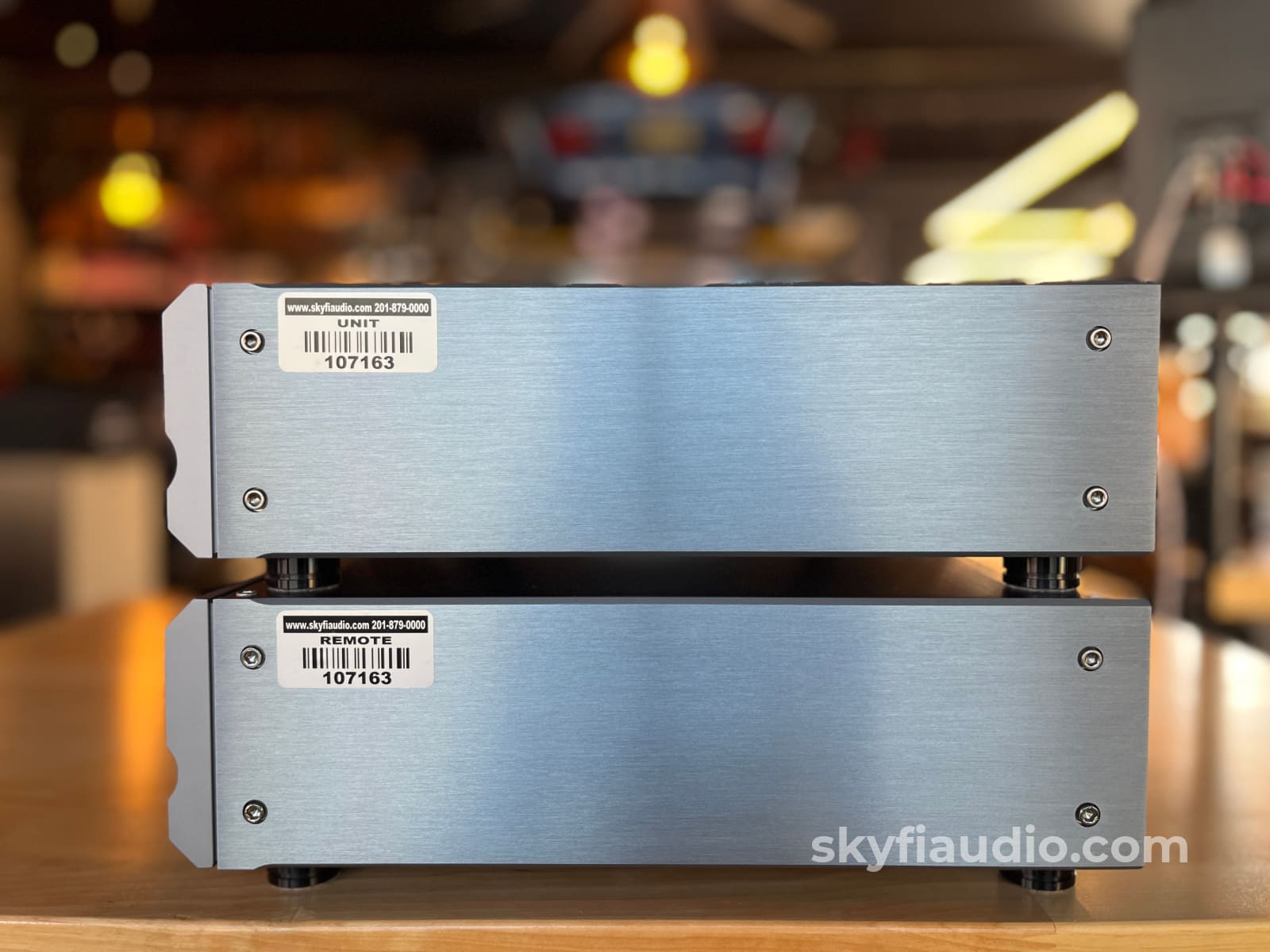
As with all Pass Labs products, the XP-22 exhibits exceptional fit and finish that few manufacturers can match. The brushed aluminum faceplate and chamfered edges look fantastic, and even the remote control is a standout.
Inputs include three pairs of RCA jacks, two pairs of XLR inputs, and a tape loop—something often missing on modern preamplifiers.
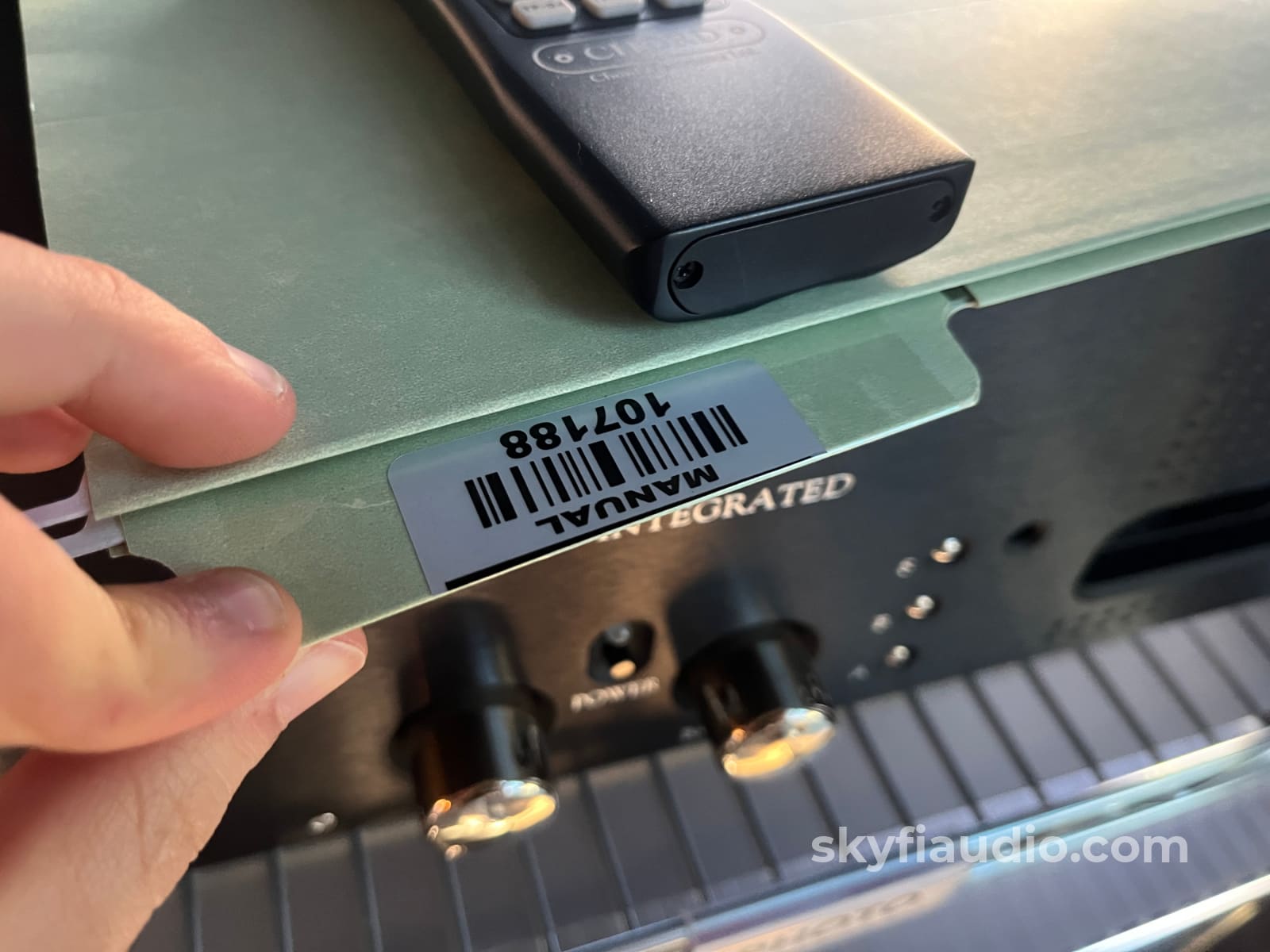
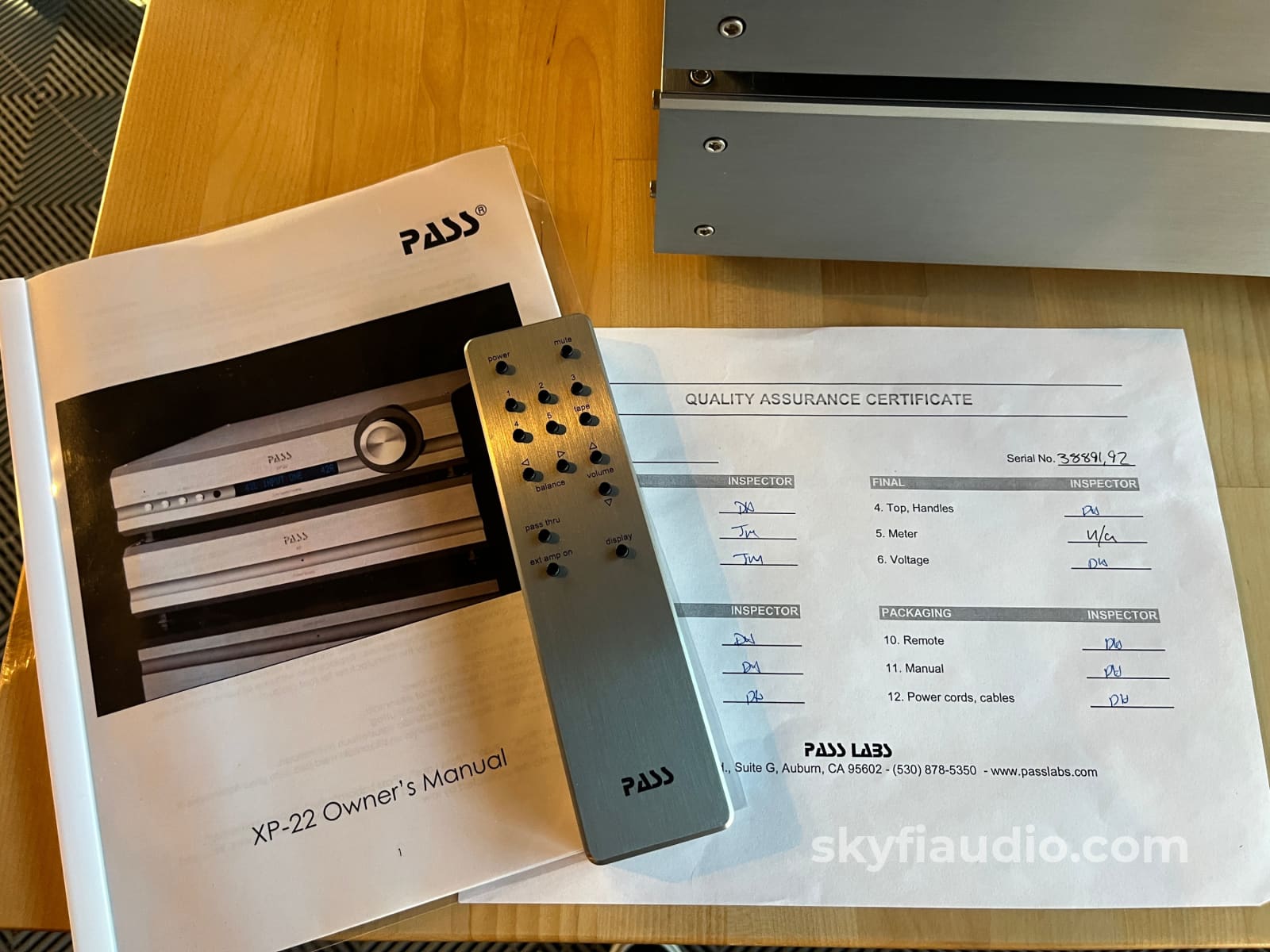
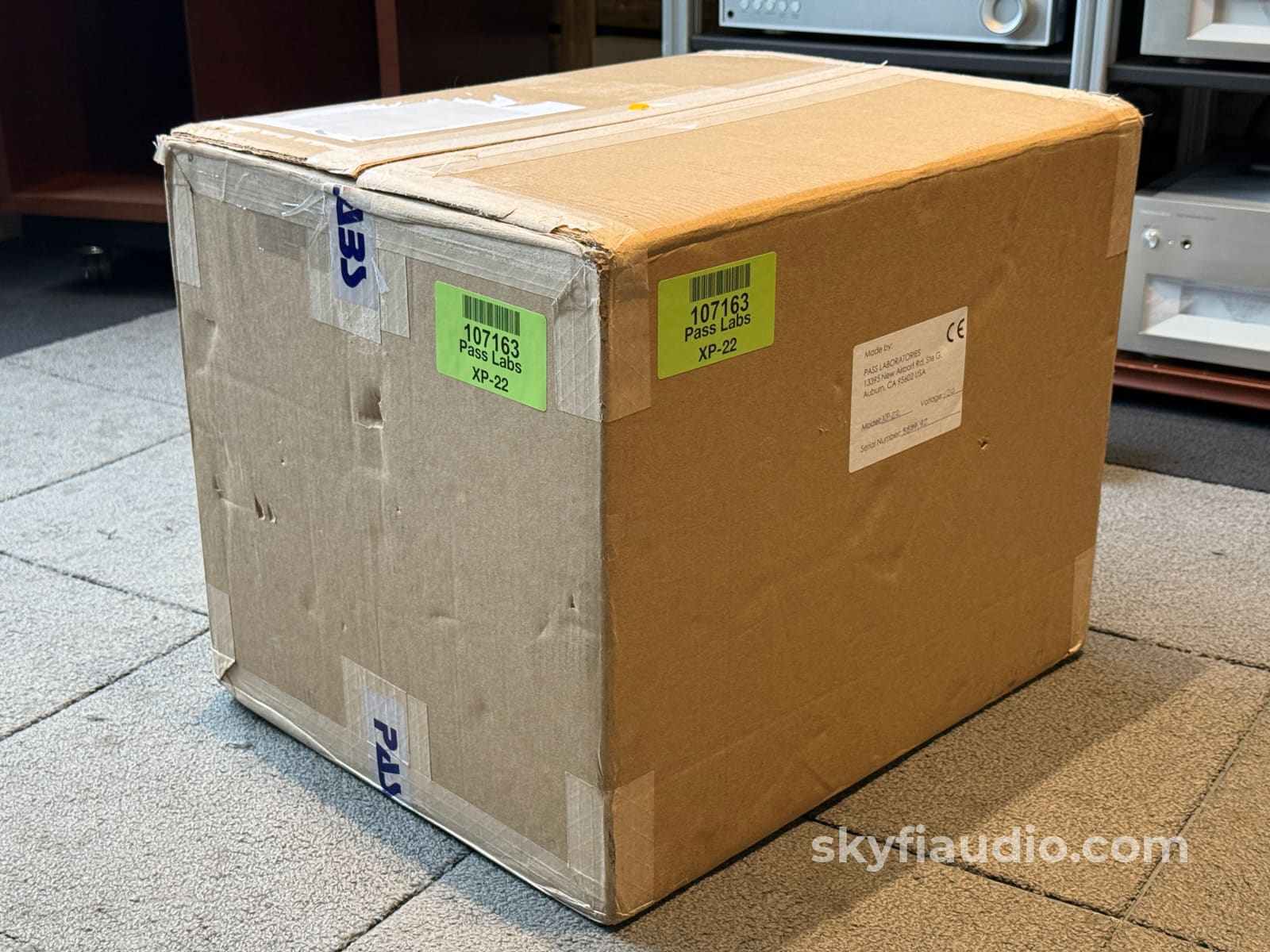
This unit includes its original box, manual, umbilical cord, and remote, making it one of the most complete and well-presented XP-22s available.
SkyFi Cosmetic Notes:
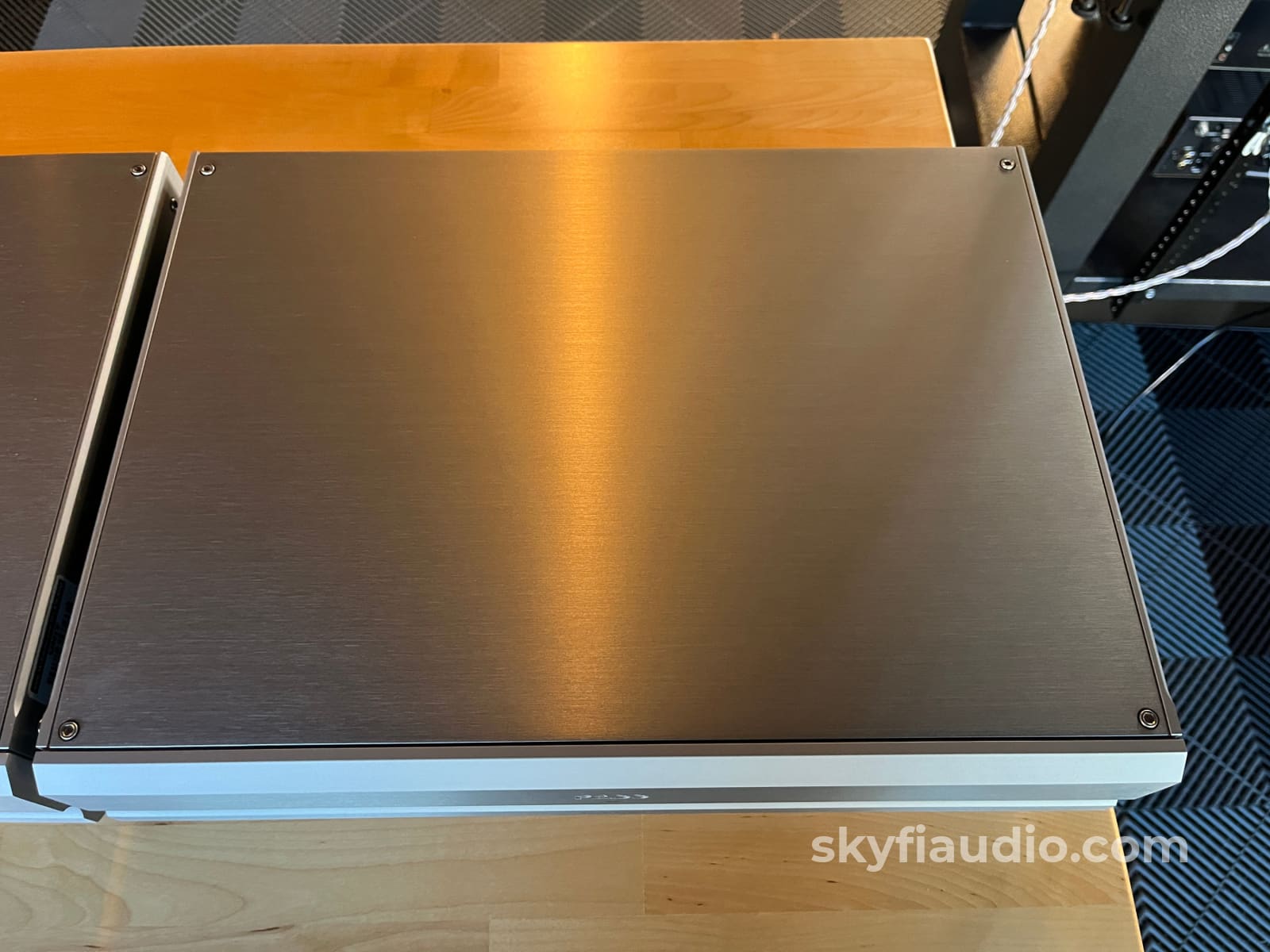
This set is near new cosmetically, only showing the tinyest of blemishes on the top covers on close inspection. Overall, Fantastic.
From Pass Labs:
The new design uses double-shielded low noise toroidal transformers in external supply
The new design uses double-shielded low noise toroidal transformers in an external supply connected via aviation-grade circular connectors using silver over oxygen-free copper. The power supply is dual mono with two transformers with lower radiated and mechanical noise. Noise is the most prominent part of THD+N at low levels, so by lowering noise we get better resolution and dynamics.
The gain circuitry continues to use our favorite transistors from Toshiba but has a larger, higher biased, output stage like the Xs Preamp, and includes auto bias.
The larger output stage makes longer, and multiple cable runs easier to drive and gives us the advantage of simplifying our single-ended output circuitry while increasing performance.
The volume control is a single stage instead of two stages and has more range; it is quieter and more accurate. This is the same volume control as used in the XP-30.
Overall this makes for a quieter, more neutral, musical, and versatile control center for your system.
The XP-22 measures spectacularly well — but it really stands out sonically.
Ownership:
Second Owner
Connections:
XLR, RCA, IEC Power
General Sound:
Smooth, uncolored, undistorted natural and clean
Cosmetic Condition:
9/10 = Excellent. Perfect physical condition, gently used.. See our detailed rating description here.
Working Condition:
Working perfectly and tested in our lab and listening room.
Included:
Unit, remote, manual and power cord.
Packing:
Original Manufacturers Packing
Original MSRP:
$10,972.50
Specs:
Overall Gain
9.3dB Balanced
Remote
Yes
Inputs
5
Outputs
2
Input Impedance
22K Ohms
Power Consumption
40 watts
Number of chassis
2
Dimensions:
17”W x 12”D x 4”H
Weight:
40 lbs.
Approximate Age:
2017
Link to Manual:
Click Here
Recommended Cables:
Kimber Kable - RCA Interconnects - Better
Kimber Kable - RCA Interconnects - Best
Kimber Kable - Phono Interconnects
Kimber Kable - BALANCED XLR Connectors - Better
Kimber Kable - BALANCED XLR Connectors - Best
Kimber Kable - Power Cords - Better
Kimber Kable - Power Cords - Best
Testing Process:
We start with a visual inspection of all internal components to make sure that there are no signs of heat stress or damage. Capacitors are checked for telltale signs of predictive failure including bulging, shrunken wrappers, or physical leakage. We also inspect the PCBs for discoloration from resistors or transistors that may have been running hot. On vintage units we often spot check select capacitors for value and ESR.
When we first power on a preamplifier we connect its RCA output to a Sencore PA81 Power Analyzer which simulates real world loading conditions and gives us an oscilloscope interface.
The first order of business is checking that the volume control works smoothly throughout its entire range with acceptable channel balance. This is accomplished by feeding a 1 KHz sine wave into one of the preamp’s line level inputs while monitoring the preamp’s output on an oscilloscope.
We then switch to a 1 KHz square wave to test the tone controls, loudness function, and filters where applicable. During this step we are watching for equal alteration of the test signal by both channels. This also helps us identify dirty controls that will need treatment.
Once the basic line stage functions are verified, we test each input individually. This is especially important for devices that use relays to select their sources. If the preamp is equipped with a phono stage we test that as well. We use an inverse RIAA filter which allows us to feed a reference test signal into the phono input with the proper RIAA equalization and level. A square wave or sine sweep is used to verify that the device’s phono stage is faithfully reproducing the RIAA curve. If the preamp under test has balanced inputs and/or outputs these are tested as well.
We finish up our bench testing with a listening test with our bench amplifier and reference speakers. During this test we check for hum or hiss that may not have shown up in earlier testing. We also check that all of the tone controls and filters perform as expected.
If the preamplifier has remote control functions these are also tested. Preamps with tube circuits or complicated power supply topologies are connected at our long term test rig for extended stress testing under real world conditions.

Choose options